

By now, you’re pretty conversant with the term “plastic molding,” and why wouldn’t you be? Plastic products are all around you. From the clothes you wear to the kitchen tools you use to the cars you drive; they’re all made of plastic. But of course, their use cases shouldn’t stop there. With the rise of artificial intelligence and biotechnology, plastics can be used to achieve so much more.
And, that’s where you come in. Wouldn’t you want to ease the stress of our everyday life with simple yet essential life-changing innovations? Wouldn’t you like to bring your inventions to life in a cost-effective way? With plastic molding, you can make your mark in history. The best part is that we can help you.
This article will explore:
- Meaning of plastic molding
- Best materials for plastic molding
- Most popular plastic molding techniques
- Plastic manufacturing cost
- Plastic molding FAQ’s
What is Plastic Molding?
Plastic molding is the process of manufacturing plastic parts and components by melting plastic resins and filling the material into a custom mold cavity under controlled heat temperatures and pressure so it can take on the desired shape before the material cools and solidifies. Plastic molding can be used to create a wide range of thick and thin-walled intricate parts for a broad range of industrial applications.
Once the material has been melted, the plastic molding process is usually fourfold: clamping, injecting, cooling, and ejecting. According to data insights from Statista, the most commercially consumed plastics are polypropylene, Acrylonitrile Butadiene Styrene (ABS), and high-density polyethylene. These plastics are some of the most flexible and versatile materials in the market.
Best Materials for Plastic Molding
1. Polypropylene (PP)
Properties: Part of the family of polyolefins, polypropylene is a gaseous compound composed of propylene monomer. It is flexible and tough, has a low density, and high heat resistance. This crystalline thermoplastic also has high chemical resistance and is highly flammable. As a homopolymer, it has a melting point of around 170o C and does not dissolve in water.
Uses: Polypropylene is used in the textile industry to make breathable fabrics such as swimsuits and sportswear. It is used in the automotive industry to make door rims, bumpers, carpets, cable insulation, and panels. It can also be used to make films and sheets in the construction industry. Polypropylene is also popular in the food packaging industry, particularly in making cups, containers, pallets, and bottles.
2. Acrylonitrile Butadiene Styrene (ABS)
Properties: ABS is an amorphous polymer made from the polymerization of styrene and acrylonitrile in the presence of polybutadiene. It is known for its dimensional stability, rigidity, impact resistance, chemical resistance, weldability, surface luminescence, and stain and heat resistance. It has no true melting point, but its glass transition temperature is 105oC. ABS has a high tensile strength and insulation properties.
Uses: Acrylonitrile Butadiene Styrene is used across the electrical, automotive, electronics, medical, and construction industries. It is used to make protective components such as wall sockets, head gears, and wheel covers. Other uses include pipes, compressors, drug delivery systems, computer keyboards, fittings, nebulizers, Legos, printers, vacuum cleaners, clarinets, toys, and sports equipment.
3. Polyamide
Properties: Polyamide is a semicrystalline thermoplastic made from the formation of amide monomers connected by peptide bonds. It belongs to three families: aliphatic (Nylons), semi-aromatic, and aromatic (Aramids) polyamides. This flexible and tough polymer has high chemical resistance, high melting point, low friction, high tensile strength, abrasion resistance, and heat resistance.
Uses: Polyamides are used in the textile industry to make wool and silk garments. In the automotive industry, polyamides can be used to make upholstery. They can also make housewares such as carpets, brushes, zip fasteners, kitchen utensils, balloons, and sports shoes. Nylons are used in electric insulators, gears, sealing rings, bearings, powder coating, and musical instruments. Aramids can be used to make protective clothing, ballistic composites, tires, and ropes.
4. Polystyrene (PS)
Properties: Polystyrene is made from the polymerization of aromatic hydrocarbon styrene. It is a hard, rigid, transparent, and flammable resin. It also has low water absorption and low impact resistance unless blended with butadiene rubber. PS has a melting point of 240oC and a boiling point of 430oC.
Uses: PS is mostly used to make consumer goods, electronics, construction tools, and medical supplies such as packaging for discs, food trays, disposable cutleries, food containers, vacuum cleaners, air conditioners, refrigerators, door panels, knobs, protective seats, televisions, computers, test tubes, Petri dishes, and culture trays.
5. Polyethylene (PE)
Properties: Polyethylene (low and high density) is made from the polymerization of ethylene. Low-density polyethylene (LDPE) is soft, flexible, and has a melting point of below 120oC. LDPE also has good chemical resistance, low water absorption, high strength and toughness, and translucence. High-density polyethylene (HDPE) is more rigid, dense, and tougher than LDPE. It also has a melting point that’s below 140oC. It’s weatherproof and has good chemical resistance.
Uses: HDPE and LDPE are among the most popular polymer materials used for plastic production. Polyethylene is used in the packaging, consumer goods, and electrical industries to make toys, shopping bags, food wrappers, food containers, juice and cosmetic bottles, automotive parts, and wire and cable insulation.
Optimize Your Production Output with These 7 Plastic Manufacturing Techniques
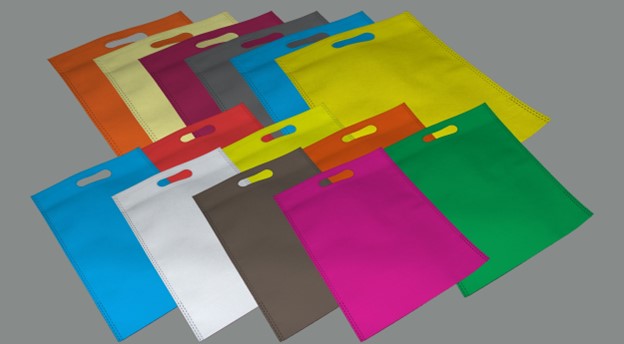
There are several types of plastic molding techniques in the industry, depending on the material, technology, and process involved. Knowing which technique to adopt is essential to creating the right products.
Below are the seven most common plastic molding techniques to adopt for the best results in 2024.
1. Injection Molding
Injection molding is the most popular plastic manufacturing technique in the world. It converts raw thermoplastic materials into finished parts through four major phases: clamping, injecting, cooling, and ejecting. Plastic resins are poured into a hopper from which they’re fed into a heating chamber. The heated molten material, which can be polymers, glasses, ceramics, and metals, then fills a constructed mold cavity to take on the desired shape before it is ejected into a cooling system where it cools and solidifies to produce the final part.
Best Use Cases: injection molding is efficient and precise hence best for mass-producing identical and complex parts in large quantities loss in color, weight, or dimensional quality.
2. Extrusion Molding
Extrusion molding is a plastic molding process that involves melting plastic and other pliable materials and forcing them through a die hole to form a long “tube-like” shape with a small diameter, under a regulated temperature and pressure, before moving it to cool and solidify. There are several types of extrusion molding. Some of the most popular types include blow-film, cold, hot, hydrostatic, friction, and micro extrusion.
Best Use Cases: Extrusion molding is mostly used in the construction, electrical, and transportation industries to produce high-volume parts such as pipes, doors, frames, rods, straws, wire insulation, and deck railing.
3. Rotational Molding
Rotational molding is a plastic molding technique that involves filling the hollow metal mold with plastic powder under high temperature and low pressure before the mold begins rotating the molten material around two axes. It then moves the material to an oven and continues rotating the material until it melts and evenly coats the wall of the hollow mold to take on the shape of the mold. Once it cools and solidifies, it takes on the shape of the mold.
Best Use Cases: Rotational molding, also called rotomolding is best for molding single large parts like oil tanks, containers, boxes, bins, toolboxes, and boats. Most rotational molded parts are made from polyethylene because it is easy to grind.
4. Blow Molding
Blow molding is a plastic manufacturing process used to make hollow thin-walled plastic parts with complex shapes by blowing pressurized gas (air) into a thermoplastic molten tube, known as a “Parison” to fill the mold cavity and take on the shape of the mold. The material is then left to cool and solidify to become the final part. Types of blow molding include extrusion blow molding, injection blow molding, and injection stretch blow molding.
Best Use Cases: This method is best for producing hollow components with intricate handles and indentations such as bottles, gas tanks, cases, and drums. HDPE is mostly used for blow molding.
5. Compression Molding
In compression molding, the plastic sheet is preheated before it is squeezed in between the two halves of a directly heated and pressurized mold cavity to take on the shape of the mold. Afterward, the molten material is moved for cooling, trimming, and hardening to become the final product.
Best Use Cases: This process is mostly used on long fiber thermoplastics (LFTs), glass mat thermoplastics (GMs), and thermosets like polyester, Bakelite, and polyurethane. Some of the products made with this method include car tires, electrical sockets, and metering devices.
6. Thermoforming
Thermoforming is the process of converting plastic sheets into three-dimensional shaped parts using mechanical heat, air pressure, and vacuum. The process starts by heating the plastic sheet and stretching it evenly into or over a mold to form a rigid shape of a thin or thick gauge before it is allowed to cool. Excess material is trimmed or cut to give it a fine finish.
Best Use Cases: Thermoforming is best for molding simple shapes at a lower cost and faster speed than injection molding. Mostly used for packaging, products made from thermoforming include disposable cups, bowls, trays, containers, refrigerator liners, car interior door panels, hoods, bumpers, and truck bed liners.
7. Structural Foam Molding
This method involves mixing plastic pellets with inert gas (nitrogen) or chemical blowing agent inside the extruder barrel before feeding them into the mold cavity to shape under lower pressure and speed than in injection molding. Once injected into the mold cavity, the gas expands, through a foaming action, to allow the molten material to fill the walls of the mold cavity. The results are often thick-walled parts that are lightweight and have rigid surfaces.
Best Use Cases: Structural foam molding is usually used to form large structural components with higher dimensional stability. Products made from this method include handles, sewage basins, and covers. Thermoplastics used include polycarbonate, polyurethane, polyphenylene oxide, polyamides, polypropylene, and ABS.
How Much Does Plastic Manufacturing Cost in 2024?
Plastic manufacturing can range anywhere between a few thousand dollars and hundreds of millions of dollars depending on the material properties, manufacturing technique, design complexity, production volume, manufacturing intensity, industrial application, and expertise of the manufacturer. Plastic parts are usually priced per part or batch. Some plastic parts may cost as low as $1 or as much as $10,000 depending on the quote from your manufacturer.
Regardless, producing plastic components is more cost-effective than producing glass or metal parts. Plastic production is also very lucrative. Based on the latest market projections, the plastic market is currently valued at $712 billion and is projected to grow beyond $1,050 billion by 2033, depicting a compound annual growth rate of 4% between 2023 and 2033 due to rising demand for plastic goods.
If you’re interested in manufacturing plastic parts in 2024, you need an engineering and manufacturing specialist like PTI Tech to enjoy a curated experience designed to optimize your return on investment. PTI Tech will ensure you leverage its innovation, expertise, dedication to excellence, and state-of-the-art facilities and equipment to dominate the market in 2024.
Plastic Molding Techniques FAQs
Is plastic easy to mold?
Depending on the design, use case, or experience level, plastic molding can be simple and hard. Luckily, you can order semi-finished parts from a supplier or commission a mold maker or engineering company to make custom plastic parts for you. Generally, plastics are pliable: they can be melted and shaped into multiple forms under high temperatures. Plastics with low melting points are the easiest to mold.
How are plastic molds made?
Depending on the manufacturing process and application, the mold used for designing plastic parts is usually made from rigid metal materials such as beryllium-copper, steel, or aluminum. Plastic molds are initially designed by a sketch artist before being modeled in CAD software. Once achieved, the metal cast is fabricated by a CNC machine or a mold maker and placed in the injection molding machine.
What is the most common method of molding plastics?
The most common method of molding plastic is injection molding. Injection molding enables manufacturers to design intricate plastic parts in large volumes for various applications. In 2022, a report by Future Market Insights reviewed that injection molding applications generated 43.2% of the revenue in the plastic industry. The demand for injection-molded parts is expected to increase by 4.5% between 2023 and 2033.
What is the difference between casting and molding?
Casting involves pouring molten metal, sand, or plaster into a die or hollow mold cavity under low temperatures so that the liquid can take on the desired shape, then it is allowed to cool and harden. Molding, on the other hand, injects pliable materials—polymer, metal, ceramic, or glass—into a mold cavity under elevated temperature and pressure for the material to take on a definite shape before cooling and ejecting it as a finished component.