
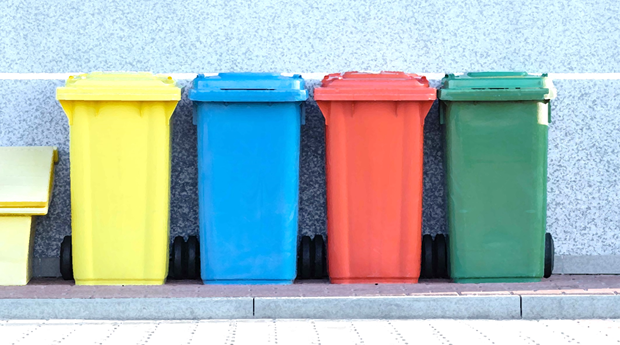
Investing in plastic recycling is investing in a safer world. Not only is plastic recycling an ethical thing to do, but it’s also cost-saving and revenue-generating. Yes! Plastic production is here to stay, but we can modify the production process to safeguard the environment. Despite experiencing a slow adoption, recycling has made significant efforts to reduce climate change and conserve our natural resources.
However, for plastic recycling to thrive, all stakeholders must play active roles in facilitating its growth. Although the plastic recycling market still has a long way to go, the latest data projections from Grand View Research indicate a 4.9% compound annual growth rate (CAGR) in the consumption of recycled plastics between 2023 and 2030.
If you’d like to facilitate this growth, you can check these items off your learning list.
● What is plastic recycling;
● Is plastic recycling a sustainable practice;
● How does plastic recycling work;
● Why does plastic recycling matter;
● Challenges in plastic recycling;
● Tips for maximizing the potential of plastic recycling;
● Benefits of embracing sustainability in plastic production;
What is Plastic Recycling?
Plastic recycling is the process of recovering or collecting plastic waste (semi-processed scraps and plastic products that are at the end of their life cycles) from end users, sorting through the plastic compounds to determine their recyclability, and reprocessing the waste to become plastic pellets, needed for manufacturing new plastic products with the same or alternative uses.
Is Plastic Recycling a Sustainable Practice?
Yes, plastic recycling is a sustainable practice as it encourages manufacturers, investors, public organizations, and consumers to reduce the demand for single-use plastics made from fossil fuels to preserve our planet for future generations. Sustainability in plastic recycling ensures already extracted raw plastic materials remain in circulation to reduce piling at landfills and oceans and to prevent the depletion of our natural resources.
Sustainability in plastic recycling ensures manufacturers and consumers stay accountable for their actions by cultivating habits that reduce pollution and exploring creative uses for plastics nearing the end of their life cycles.
How Does Plastic Recycling Work?
Collection: the plastic recycling process starts after the plastic compounds have been collected and deposited into the conveyor belts. A feeder feeds the resins onto the belt so it spreads to plastic waste across the width of the conveyor. The conveyor moves the plastic waste through the various stages of recycling.
Sorting: The plastic waste then goes through a series of sorting stages before it is ready to be reprocessed. Sorting can be done by hand or automatically using automated optical sorters. The compounds are separated by color, material thickness, and recyclability.
Once contaminants such as scrap metals, plastic bags, shredded paper, adhesives, liquids, and non-recyclable plastics have been extracted from the batch, we can reprocess the plastic.
Washing & Shedding: Reprocessing can be accomplished using the mechanical, chemical, or organic recycling techniques. Using mechanical recycling, the plastic waste is loaded onto a Plastic Preprocessor. Then, it is washed, ground, shredded, and resorted before it is reprocessed. begins.
The plastics are usually washed in hot water to reduce food waste, adhesives, or labels, then in cold water to erase impurities. Afterward, you can then ground or shred the plastic into smaller bits. You can also regroup the plastics, based on their unique mechanical properties to prevent issues during processing.
Extrusion: Extrusion involves crushing and melting plastic materials until they become liquid under high temperatures and forcing them out through the extruder. Hence, they come out as pellets, which you can use to produce new plastic parts.
Why does Plastic Recycling Matter?
The impact of plastic on the environment cannot be overstated. It is one of the main drivers of climate change. Plastic pollution was first discovered in the early 1970s by marine scientists conducting plankton studies on the ocean. Since then, plastic particles have sprung up everywhere—land, sea, air—showing no signs of relenting.
Considered a threat to human and wildlife, plastic pollution–mostly caused by single-use plastic products–has increased the amount of plastic waste in circulation. Plastic products are made from fossil fuels that drive climate change. They have a lifespan that exceeds ten years, yet are always in fresh demand.
Recycling was adopted by industrialists to mitigate plastic pollution. Although fraught with several issues, plastic recycling can help preserve natural resources, prevent more waste from piling at landfills, and reduce greenhouse emissions.
Challenges in Recycling Plastics
- High cost of recycling technology: While the advancements in plastic recycling are commendable, several companies can’t invest in the necessary machines and processes because they’re expensive. Their return on investment is also uncertain. In some cases, manufacturers have found that the sales of recycled plastic products can’t offset the cost of recycling plastic waste; hence many have discontinued the practice with time.
- Lack of knowledge and skill in plastic recycling: Plastic recycling requires in-depth knowledge of the latest material sorting, reprocessing, and redesigning techniques. Companies looking to adopt this sustainable practice must be willing to regularly train their entire workforce on the techniques and benefits of recycling to ensure the process doesn’t incur more losses than profits. However, the cost of training employees may be burdensome for small/medium-sized companies.
- Issues with collecting plastic waste: For manufacturers to recover enough plastic waste for recycling, they may have to collaborate with final consumers and other organizations to recover disposed plastic products or semi-processed scraps. Consumers deep into the throw-away culture or who don’t see the rewards from recycling plastic as worthwhile may carelessly sabotage the process. Presently, only 15% of global plastic waste has been collected for recycling.
- The inefficiencies in sorting polymers: More often than not, most plastic products comprise several polymers with unique mechanical properties and varying contamination levels. As such, separating them may be difficult, and processing them together may do more harm than good to the batch as these plastics melt at different temperatures and pressures, leading to the incineration of unsorted particles. Contaminated recyclates can also cause severe damage to plastic molding machines, which may lead to the production of low-quality products.
- The negative perception of quality in recycled products: Manufacturers who go through the stress of recovering and sorting discarded plastic resins, educating their workforce, and adopting advanced recycling technologies and processes may still lose out during sales and marketing. Most consumers still see recycled plastic products as inferior in quality to virgin plastic products; hence, they favor purchasing these virgin products over recycled ones.
Tips for Maximizing the Potential of Plastic Recycling in 2024

By adopting sustainable practices such as recycling, you could make the earth safer and healthier. There are several opportunities for manufacturers in plastic recycling. From collecting plastic waste and reselling it as plastic granules or final parts to creating training programs for companies on how to capitalize on plastic waste.
If you’re looking to get started with plastic recycling in 2024, below are the simple steps you can take.
1. Adopting a Circular Economy Philosophy
The principle of the circular economy encourages manufacturers to optimize production processes to reduce scrap volume, produce lightweight durable parts to extend the life of plastic products, and recycle and reuse disposed plastic products to minimize energy consumption and prevent the depletion of raw materials.
2. Use a Closed-Loop Supply Chain
A closed-loop supply chain seeks to eliminate or reduce waste in the production cycle. Manufacturers can collaborate with logistics companies and consumers to create supply chain frameworks that reintegrate plastic waste or products at the end of their life cycles into the manufacturing process. These products can then be repaired, repurposed, resold as reprocessed plastic pellets, or reused to create new plastic parts.
3. Invest in Easy-to-Recycle Packaging Materials
Regardless of the process, investing in plastic packaging materials that have a low environmental impact can boost your company’s sustainability efforts. Plastic materials with low resin codes (1-6) such as high-density polyethylene (HDPE), polypropylene (PP), and polyethylene terephthalate (PET), low-density polyethylene, polyvinyl chloride, and polystyrene are the easiest plastics to recycle.
4. Explore Innovative Recycling Processes
Today, there are several recycling techniques you can adopt, depending on your project needs and business principles. Chemical recycling, dissolution recycling, monomer recycling, organic recycling, mechanical recycling, energy recycling, plastic traceability, and creative recycling are plastic processing and repurposing strategies you can adopt to reduce plastic waste and maintain a circular economy.
5. Invest in Plastic Sorting and Recycling Machines
Advanced plastic recycling tools can simplify and hasten the process of recycling plastic materials with higher resin codes and maximize the value of recycled parts. For instance, plastic recycling robots automate the process of turning solid plastic parts into liquids and gases allowing manufacturers to create new virgin plastic parts from scraps. AI-powered sensors now make sorting and qualifying plastic waste easier for manufacturers.
Benefits of Embracing Sustainability in Plastic Production
● Positive Brand Image: The majority of consumers are drawn to companies that display a high sense of environmental responsibility. According to Statista’s insight, consumers worldwide are willing to pay 24% more for sustainable goods. Another insight revealed that almost 60% of global consumers have expressed an intent to avoid buying products with excess packaging for sustainability reasons.
● Access to more strategic partnerships and collaborations: Sustainable companies can form alliances with public policymakers, raw material suppliers, polymer technology companies, and NGOs to promote the adoption of sustainable practices for profit. Plastic manufacturers who make recycling part of their business strategies can take advantage of funding opportunities and government contracts that support this cause.
● Increased demand for sustainable products: According to the data insights from Statista, the demand for sustainable products in the packaging industry is expected to increase in the next decade. Sustainable plastic packaging products are projected to grow from $85 billion in 2021 to $143.7 billion in 2030.
● Protection from government bans and penalties: Several government policies have sprung up over the years to reduce plastic waste and increase corporate liability. Sustainable manufacturers don’t have to worry about violating these policies, some of which may attract an array of monetary fines or threats of divestments from conservative investors, thus enjoying the trust of their investors.
● Conservation of raw material reserve: Sustainability in plastic production reduces the reliance on virgin plastic materials, particularly expensive materials like PEEK which require higher capital commitment and expertise when sourcing or processing it.
● Efficiency in production efficiency and innovation: It also encourages the production of lightweight durable parts and the use of processes that minimize scrap volume, leading to lower cost of production and an increase in product niches and alternative business models
Final Thoughts
It’s no secret that crude oil and natural gas, which are the building blocks of most plastics, pollute the environment. Natural gas emits carbon dioxide and crude oil which contains volatile hydrocarbons can be devastating to human health. Prolonged exposure to these fossil fuels could lead to nausea, headaches, memory loss, fatigue, dizziness, and breathing difficulties.
As such, recycling plastics is the best way to promote a safer and healthier environment as it reduces energy consumption when re-producing plastic products for end users. If you’re looking to become a sustainable plastic manufacturer or investor, PTI Tech can make the transition easier. Our mission is to promote sustainable practices that serve all stakeholders involved.
By employing environmentally friendly policies, raw materials, and technologies in plastic production, we hope to help our partners build positive brand reputations they can leverage in the future. As such, our management approach to plastic recycling and quality control encourages us to collaborate with partners who share the same values.