
Understanding Metal Injection Molding
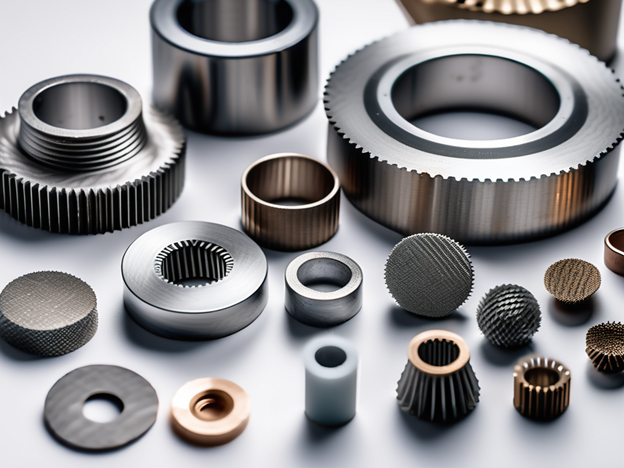
Metal injection molding (MIM) is a popular manufacturing technique used to produce complex metal parts with high precision. It combines the advantages of plastic injection molding and traditional powder metallurgy, making it a cost-effective and versatile process. When it comes to achieving exceptional outcomes in MIM, two critical factors play a significant role: grain size and texture. Understanding the importance of these factors can lead to improved product quality and enhanced performance.
Before diving into the finer details of grain size and texture, it is essential to grasp the basics of metal injection molding. MIM involves a four-step process: feedstock preparation, molding, debinding, and sintering. Feedstock preparation entails mixing fine metal powders with a thermoplastic binder to form a viscous material suitable for injection. The mixture is then injected into a mold cavity under high pressure and temperature to create the desired shape. After molding, the binder is removed through debinding, leaving behind a “brown” part. The final step, sintering, involves heating the brown part to high temperatures in a controlled atmosphere, allowing metal particles to bond together while maintaining shape and dimensional stability.
The Basics of Metal Injection Molding
In metal injection molding, achieving the desired final properties and dimensions largely depends on optimizing the various parameters involved in the process. These parameters include temperature, pressure, feedstock composition, and most importantly, grain size and texture.
Key Components of the Molding Process
The molding process is influenced by multiple factors such as tool design, mold temperature, injection speed, and cooling time. Each element affects the final product’s integrity, surface finish, dimensional accuracy, and mechanical properties. Understanding and controlling these factors is vital for ensuring consistent and high-quality metal parts.
The Role of Grain Size in Metal Injection Molding
Grain size plays a crucial role in the properties and performance of metal parts manufactured through MIM. It refers to the average size of individual metal particles within the feedstock. Understanding this parameter helps in optimizing the manufacturing process to achieve the desired mechanical properties and surface finish.
Defining Grain Size
Grain size is generally measured as the average diameter of metal particles in the feedstock. A smaller grain size corresponds to a higher number of particles per unit volume, resulting in increased strength and improved mechanical properties of the final product.
How Grain Size Affects the Molding Process
The grain size significantly influences the flow characteristics of the feedstock during injection molding. Smaller grain sizes promote better flowability, allowing for the formation of complex shapes with intricate details. Additionally, finer grains result in reduced porosity and improved densification during sintering, leading to enhanced mechanical strength.
Optimizing Grain Size for Desired Results
Optimizing grain size requires a precise balance between the size of metal particles and their overall distribution in the feedstock. It involves careful selection of metal powders, binder materials, and processing parameters. Achieving the optimal grain size can offer improvements in tensile strength, ductility, hardness, and surface finish while minimizing defects and improving the overall reliability of the final product.
The Impact of Texture in Metal Injection Molding
Texture, in the context of metal injection molding, refers to the orientation or alignment of metal particles within the molded parts. It is influenced by various factors, including shear forces during injection and mold design. Texture can have a significant impact on the final properties and performance of the metal parts produced through MIM.
What is Texture in Metal Injection Molding?
Texture is a result of the particle alignment within the molded part. It can be influenced by factors such as flow direction, cooling rate, and solidification behavior. Texture can either be random or preferential, meaning the particles align in a specific direction. Understanding and controlling texture can help achieve the desired mechanical properties and surface finish while minimizing potential defects.
Texture’s Influence on Molding Outcomes
The texture in metal injection molding affects the final mechanical properties, such as tensile strength, hardness, and fatigue behavior. Additionally, it can influence factors like coefficient of thermal expansion and magnetic properties. The alignment of particles affects the microstructure, which, in turn, impacts the overall performance of the metal part.
Controlling Texture for Improved Performance
To achieve consistent and desired results, controlling texture is crucial. It requires a comprehensive understanding of the molding process, including factors like injection direction, mold temperature, and cooling rate. By adjusting these parameters, it is possible to influence the particle alignment and optimize the texture for enhanced mechanical and functional properties.
Balancing Grain Size and Texture for Optimal Molding
Both grain size and texture have distinct impacts on the final properties of metal parts in MIM. Balancing these factors is essential for achieving optimal molding outcomes with desired mechanical properties, dimensional accuracy, and surface finish.
The Interplay Between Grain Size and Texture
Grain size and texture are interconnected parameters that can influence each other. The alignment of particles that contributes to texture can impact the grain growth during the sintering process. On the other hand, the grain size can affect the texture formation during molding and subsequent processing steps.
Achieving the Ideal Balance
To achieve the ideal balance between grain size and texture, manufacturers need to select appropriate metal powders, optimize the processing parameters, and utilize advanced molding techniques. Fine-tuning these factors can lead to improved performance, reduced defects, and enhanced reliability in metal injection molded products.
Future Trends in Metal Injection Molding
Metal injection molding is a dynamic field that continuously evolves with technological advancements and innovative techniques. Looking ahead, several trends are expected to shape the future of this manufacturing process.
Technological Advancements and Their Impact
Advancements in materials, binders, and powder production techniques offer opportunities to further enhance the properties of metal parts produced through MIM. New technologies, such as hybrid processes and additive manufacturing, may also introduce novel possibilities for advanced metal injection molding.
Predictions for the Future of Metal Injection Molding
As the demand for complex metal parts continues to grow across various industries, metal injection molding is expected to play an increasingly pivotal role. Improved powder formulations, advanced simulation tools, and automation are likely to drive efficiency, reduce costs, and expand the applications of this versatile manufacturing method.
In conclusion, grain size and texture are of utmost importance in metal injection molding. A thorough understanding of these factors enables manufacturers to optimize the manufacturing process, achieve desired mechanical properties, and generate high-quality metal parts. As the field evolves, embracing technological advancements and maintaining a focus on grain size and texture will ensure continued progress and success in metal injection molding.