What are the Advantages of Metal Injection Molding for Medical Devices
Metal injection molding (MIM) is a highly advanced manufacturing process that combines the design flexibility of plastic injection molding with the strength and precision of metalworking. This process has become increasingly popular in the medical device industry due to its numerous advantages over traditional metalworking methods. In this article, we will explore the key benefits of using metal injection molding for medical device manufacturing.
1. Complex Geometries and Tight Tolerances
One of the primary advantages of metal injection molding is its ability to produce intricate and complex geometries with tight tolerances. Traditional metalworking processes, such as machining and casting, can be limited in their ability to create complex shapes or achieve tight tolerances, especially for smaller components. With MIM, however, these challenges are overcome, allowing for the production of medical devices with intricate features, undercuts, and thin walls.
2. High-Volume Production Capabilities
Metal injection molding is well-suited for high-volume production runs, making it an ideal choice for medical device manufacturers that require large quantities of components. Unlike machining, which is often better suited for low-volume or prototype production, MIM can efficiently produce thousands or even millions of parts with consistent quality and precision.
3. Material Versatility
Metal injection molding can be used with a wide range of metallic materials, including stainless steels, titanium, and specialized alloys. This versatility allows medical device manufacturers to choose the material that best suits their application’s specific requirements, such as biocompatibility, strength, or corrosion resistance.
4. Excellent Material Properties
The MIM process results in parts with superior material properties compared to those produced through traditional metalworking methods. The high temperatures and pressures involved in MIM lead to a dense, homogeneous microstructure with minimal porosity, resulting in improved mechanical properties and increased strength.
5. Cost-Effective for High Volumes
While the initial tooling costs for metal injection molding can be higher than other processes, the cost per part decreases significantly as production volumes increase. This makes MIM a cost-effective solution for medical device manufacturers that require large quantities of components, especially when compared to the costs associated with machining or investment casting.
6. Reduced Material Waste
Metal injection molding is a highly efficient process that minimizes material waste. Unlike machining, where a significant amount of material is removed to achieve the desired shape, MIM uses only the necessary amount of material, resulting in less waste and lower material costs.
7. Improved Biocompatibility
Many medical devices require materials that are biocompatible, meaning they are non-toxic and can be safely used in the human body. Metal injection molding can produce components from materials that meet these stringent biocompatibility requirements, such as titanium, stainless steel, and specialized alloys.
8. Enhanced Surface Finish
The MIM process can yield components with excellent surface finishes, reducing the need for additional finishing operations. This not only streamlines the manufacturing process but also ensures that the final product meets the strict quality and aesthetic requirements of the medical device industry.
9. Automation Compatibility
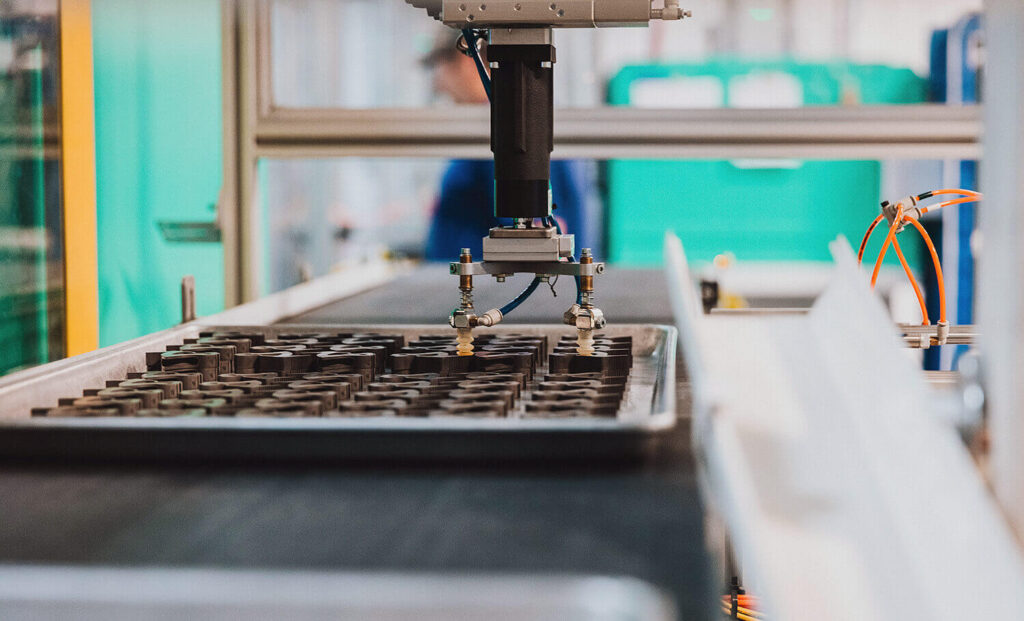
Metal injection molding is highly compatible with automation, allowing for efficient and consistent production with minimal human intervention. This not only reduces labor costs but also minimizes the risk of human error, further improving product quality and consistency.
10. Design Optimization
The unique capabilities of metal injection molding enable medical device manufacturers to optimize their product designs. By taking advantage of the process’s ability to create complex geometries and tight tolerances, designers can develop more compact, lightweight, and efficient designs that may not be possible with traditional metalworking methods.
In conclusion, metal injection molding offers numerous advantages for medical device manufacturers, including the ability to produce complex geometries with tight tolerances, high-volume production capabilities, material versatility, excellent material properties, cost-effectiveness for high volumes, reduced material waste, improved biocompatibility, enhanced surface finishes, automation compatibility, and design optimization opportunities. As the demand for advanced and innovative medical devices continues to grow, metal injection molding will likely play an increasingly important role in meeting the industry’s evolving needs.