
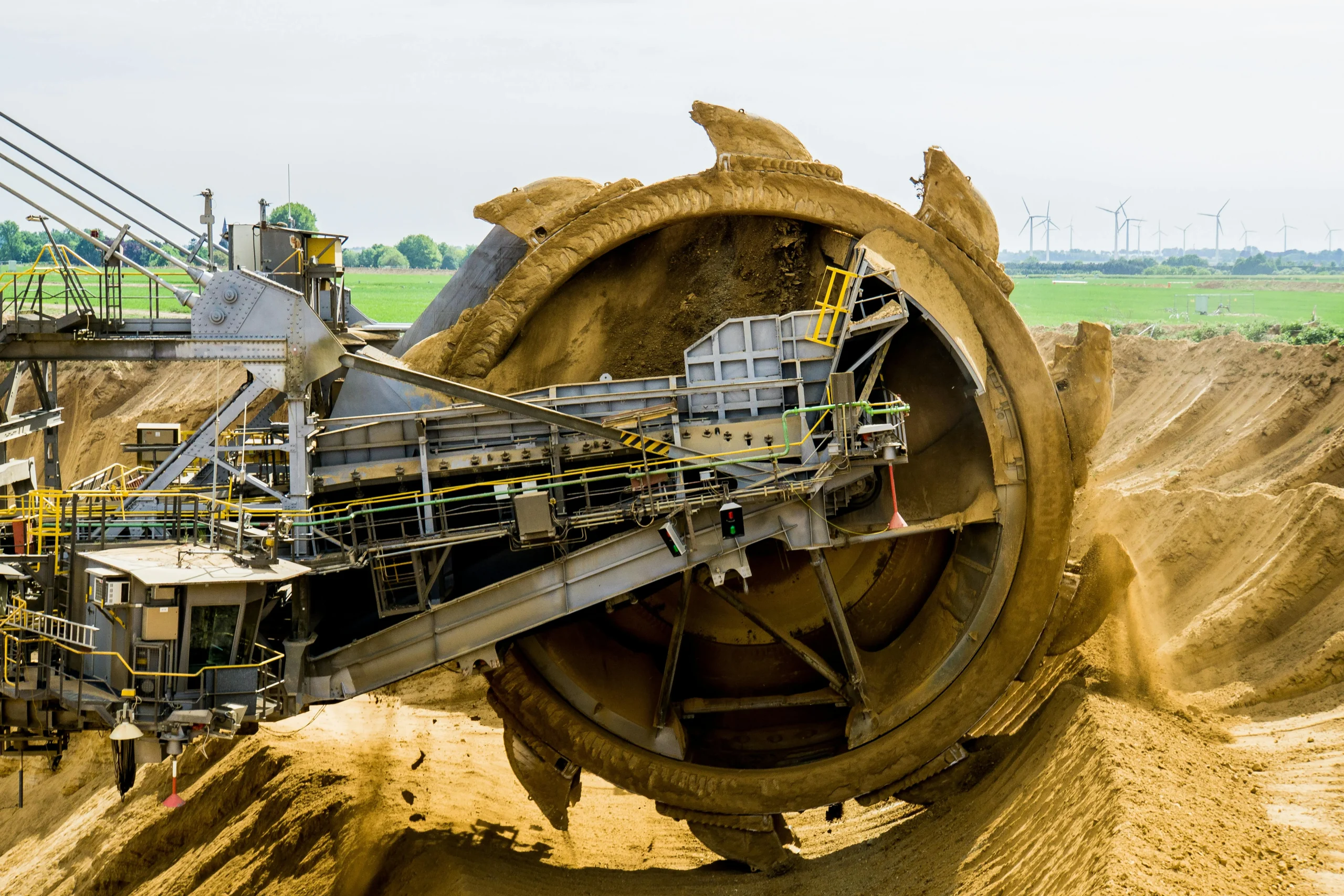
In the high-stakes world of defense manufacturing, the supply chain is the lifeline that keeps production flowing and ensures our military remains equipped with cutting-edge technology. But this lifeline faces an array of ever-changing challenges. From geopolitical tensions to raw material shortages, the obstacles confronting defense manufacturers are both intricate and shifting. This deep dive explores the major supply chain hurdles facing the defense sector and, more importantly, how innovative companies are overcoming them.
The Global Chessboard: Geopolitical Risks
Geopolitical instability has become a critical concern for defense supply chains. Trade disputes, sanctions, and shifting alliances contribute to a climate of uncertainty that can disrupt production and increase costs. A prime example is the ongoing challenge with rare earth elements (REEs). These critical components are essential for a wide range of defense applications, including night vision goggles, guided missiles, and laser targeting systems. REEs are also crucial in the production of powerful permanent magnets used in electric motors for unmanned aerial vehicles (UAVs).
China currently controls about 70% of the global REE supply, creating vulnerabilities in the defense supply chain. In 2010, China temporarily halted REE exports to Japan during a territorial dispute, causing prices to skyrocket and highlighting the risks of over-reliance on a single source.
Since then, countries like the United States, Australia, and Japan have been working to develop alternative sources. In the U.S., MP Materials reopened the Mountain Pass mine in California in 2012, a decade after it had closed due to environmental concerns and competition from Chinese producers. This mine, once the world’s leading producer of rare earth elements, is now ramping up production to reduce dependence on Chinese imports.
The AI Revolution: Transforming Defense Supply Chains
Artificial Intelligence (AI) is rapidly transforming the landscape of defense manufacturing and supply chain management. From predictive maintenance to autonomous logistics, AI is enhancing efficiency, reducing costs, and improving decision-making across the defense industry. One of the most promising applications of AI in defense supply chains is predictive analytics.
By analyzing vast amounts of data from sensors, historical records, and external sources, AI algorithms can predict equipment failures before they occur. Lockheed Martin’s F-35 program, for instance, uses an AI-powered system called the Autonomic Logistics Information System (ALIS) to monitor the health of aircraft components in real-time. This system can predict maintenance needs up to 150 flight hours in advance, significantly reducing downtime and improving operational readiness.
AI is also revolutionizing inventory management in defense supply chains. Boeing has implemented an AI-driven inventory optimization system that has reduced inventory levels by 20% while improving parts availability. The system uses machine learning algorithms to analyze demand patterns, lead times, and other factors to optimize stock levels and automate replenishment decisions.
In the realm of logistics, autonomous vehicles powered by AI are set to transform how defense supplies are transported. The U.S. Army is currently testing autonomous convoy technology that could reduce the need for human drivers in dangerous combat zones. This technology not only improves safety but also has the potential to increase efficiency and reduce costs in military logistics operations.
However, the integration of AI into defense supply chains also presents new challenges. Ensuring the security and reliability of AI systems, addressing potential biases in AI algorithms, and managing the massive amounts of data required for effective AI operation are all areas that require ongoing attention and innovation.
Moreover, the adoption of AI in defense supply chains is driving a shift in workforce requirements. There’s an increasing need for personnel with skills in data science, machine learning, and AI engineering. This shift is prompting defense contractors to invest heavily in reskilling programs and partnerships with educational institutions to build a workforce capable of developing and managing AI-driven supply chain systems.
The Cybersecurity Imperative
In our increasingly digital world, the threat of cyber attacks looms large over defense supply chains. The potential impacts range from intellectual property theft to sabotage of critical systems. A notable incident occurred in 2016 when hackers, believed to be working for the Chinese military, stole sensitive data about the F-35 fighter jet from a subcontractor of Lockheed Martin. This breach highlighted the vulnerability of even the most secure defense programs to cyber threats that target weaker links in the supply chain.
In response, the U.S. Department of Defense (DoD) has implemented the Cybersecurity Maturity Model Certification (CMMC) framework. This model requires defense contractors to obtain third-party certification of their cybersecurity practices, ensuring that every link in the supply chain meets rigorous security standards.
Leading manufacturers are going beyond compliance, implementing advanced threat detection systems and leveraging blockchain technology to create tamper-proof records of their supply chain transactions. For instance, Lockheed Martin has partnered with GuardTime Federal to use blockchain to enhance the security of its software supply chain, making it more resistant to tampering and cyber attacks.
The Sustainability Imperative: Greening the Supply Chain
The Department of Defense has set ambitious goals for increasing the use of renewable energy, aiming to procure or produce at least 25% of its total facility energy from renewable sources by Fiscal Year 2025. This shift is trickling down to manufacturers, who are now tasked with integrating more sustainable practices into their supply chains. Innovative companies are rising to this challenge by implementing circular economy principles. Raytheon Technologies, for example, has implemented a comprehensive program to reduce waste and increase recycling across its operations. In 2020, the company diverted 70% of its solid waste from landfills through recycling and reuse initiatives.
These efforts extend beyond waste management to include energy efficiency and sustainable sourcing. Defense contractors are increasingly looking to reduce their carbon footprint by optimizing logistics, using renewable energy in manufacturing facilities, and working with suppliers who adhere to sustainable practices.
The Integration Imperative: Breaking Down Silos
One of the biggest obstacles to efficient supply chain management in defense manufacturing is the prevalence of siloed systems and processes. Different departments, suppliers, and even government agencies often operate with limited visibility into each other’s activities, leading to inefficiencies and potential vulnerabilities.
To address this challenge, the U.S. Air Force has launched the Advanced Battle Management System (ABMS), a state-of-the-art command and control system that aims to connect sensors, shooters, and decision-makers across all domains. This system requires defense manufacturers to adapt their supply chains to support greater interoperability and data sharing.
Companies like Lockheed Martin are leveraging digital twin technology to create virtual replicas of their entire supply chain. These digital twins allow for real-time monitoring and optimization of supply chain operations, from raw material sourcing to final product delivery.
Additive Manufacturing: Revolutionizing Defense Supply Chains
Additive manufacturing, commonly known as 3D printing, is reshaping defense supply chains by enabling on-demand production of complex parts. This technology offers the potential to reduce inventory costs, shorten lead times, and enable rapid prototyping of new designs.
The U.S. Navy has been at the forefront of adopting this technology. In 2018, they installed the first 3D printer certified to produce parts for nuclear-powered vessels aboard the USS John C. Stennis aircraft carrier. This printer allows the ship to produce custom parts on-demand, reducing dependence on shore-based supply chains and improving operational readiness.
General Electric (GE) Aviation has also made significant strides in additive manufacturing for defense applications. They’ve used 3D printing to produce fuel nozzles for jet engines, reducing the number of parts from 20 to just one and achieving a 25% weight reduction. This not only simplifies the supply chain but also improves fuel efficiency and performance.
However, the adoption of additive manufacturing in defense supply chains also presents new challenges. Ensuring the quality and consistency of 3D-printed parts, protecting intellectual property in digital design files, and adapting procurement processes for this new manufacturing paradigm are all areas that require ongoing attention and innovation.

A 3D printer, source: Christian Englmeier
Looking Ahead: The Future of Defense Supply Chains
As we look to the future, it’s clear that the challenges facing defense supply chains will only grow more complex. However, with challenge comes opportunity. The companies that can successfully navigate these turbulent waters will be well-positioned to thrive in the years to come.
For those looking to stay at the forefront of these developments, partnering with experienced, innovative manufacturers can be invaluable. PTI Tech, with its decades of experience in precision manufacturing for the defense sector, brings a wealth of knowledge and cutting-edge capabilities to the table.
PTI Tech’s work on the M249 200 Round Quiet Hard Pack exemplifies the kind of innovation needed in today’s defense supply chains. When soldiers identified that partially expended magazines were creating noise that could compromise their position, PTI Tech developed a solution. They designed a hard pack using a rigid, glass-filled nylon interface overmolded with a sound-absorbing thermoplastic elastomer (TPE). This innovative approach not only addressed the noise issue but also maintained the necessary durability for field operations. Such adaptive problem-solving and material expertise are crucial in an industry where performance and reliability can have life-or-death consequences.
As we continue to push the boundaries of what’s possible in defense manufacturing, one thing is clear: the supply chains of tomorrow will look very different from those of today. By embracing change and investing in the right strategies and partnerships, we can ensure that our defense industry remains strong, agile, and ready to meet whatever challenges the future may hold.