When the USS Gerald R. Ford (CVN-78) first launched in 2017, its advanced electromagnetic aircraft launch system (EMALS) represented a major leap forward in naval technology. EMALS promised increased reliability, reduced maintenance, and better control over launch forces compared to traditional steam-powered catapults. However, the system encountered critical challenges during early testing, revealing complex issues in the interaction of electromagnetic fields, thermal management, and structural dynamics. These issues threatened to delay deployment and underscored the limitations of traditional testing and modeling methods.
“We faced unprecedented challenges,” said a 2017 Naval Air Systems Command (NAVAIR) report. “The electromagnetic launch stroke introduced new variables that existing simulations couldn’t fully capture.”
A launch stroke refers to the entire process of accelerating an aircraft along the catapult track, requiring precise coordination of electromagnetic forces. Small variations in power delivery timing can create resonance patterns, disrupting performance and causing mechanical stress. These challenges demanded innovative approaches.
The solution came through advanced 3D simulation technologies developed by General Atomics, the EMALS manufacturer. Engineers created a unified multi-physics simulation platform to model electromagnetic fields, thermal dynamics, and structural loads in real-time. This approach revealed the root causes of the resonance issues and enabled precise timing adjustments to resolve them, reducing physical prototyping iterations by 60%, according to NAVAIR’s 2023 program review.
This case exemplifies how simulation technologies are transforming modern manufacturing, not only in defense but also in medical applications. From virtual prototyping to real-time system optimization, the implications are profound.
Digital Twins: Revolutionizing Design and Operations

Source: Pexels
Digital twins—virtual replicas of physical systems—have emerged as a cornerstone of modern
manufacturing. These replicas integrate data from sensors, simulations, and real-world operations to provide continuous insights into system behavior. By enabling engineers to test scenarios in a virtual environment, digital twins minimize risk and optimize performance.
In defense manufacturing, digital twins are used to predict the wear and tear of components in extreme environments. For example, Raytheon Technologies employs digital twin simulations to model the behavior of missile systems under various thermal and mechanical stresses. By analyzing this data, engineers can preemptively address potential failures, improving system reliability.
In aerospace, Boeing has integrated digital twin technology into its production lines for commercial and military aircraft. These digital models track every phase of assembly, allowing engineers to simulate changes before implementing them physically. This approach has reduced rework costs and accelerated production timelines.
Despite these advancements, challenges remain. Developing high-fidelity digital twins requires significant computational resources, and integrating real-time data streams can be complex. However, as sensor technology and computing power continue to advance, digital twins are becoming more accessible and powerful. Moreover, these virtual environments are now being paired with augmented reality interfaces, allowing engineers and technicians to interact directly with their digital models in an immersive way.
Applications in Medical Manufacturing
Medical manufacturing has seen significant benefits from advanced simulation technologies. Engineers use these tools to optimize designs for medical devices and implants, ensuring functionality and biocompatibility before physical production begins.
For instance, prosthetics manufacturers employ finite element analysis (FEA) to simulate the stresses and strains on artificial limbs during everyday use. This process allows engineers to refine materials and geometries to maximize durability and comfort. Additionally, simulations of blood flow dynamics are used in the design of cardiovascular implants, such as stents and artificial valves. These models help engineers identify optimal configurations to reduce complications like blood clotting or flow obstruction.
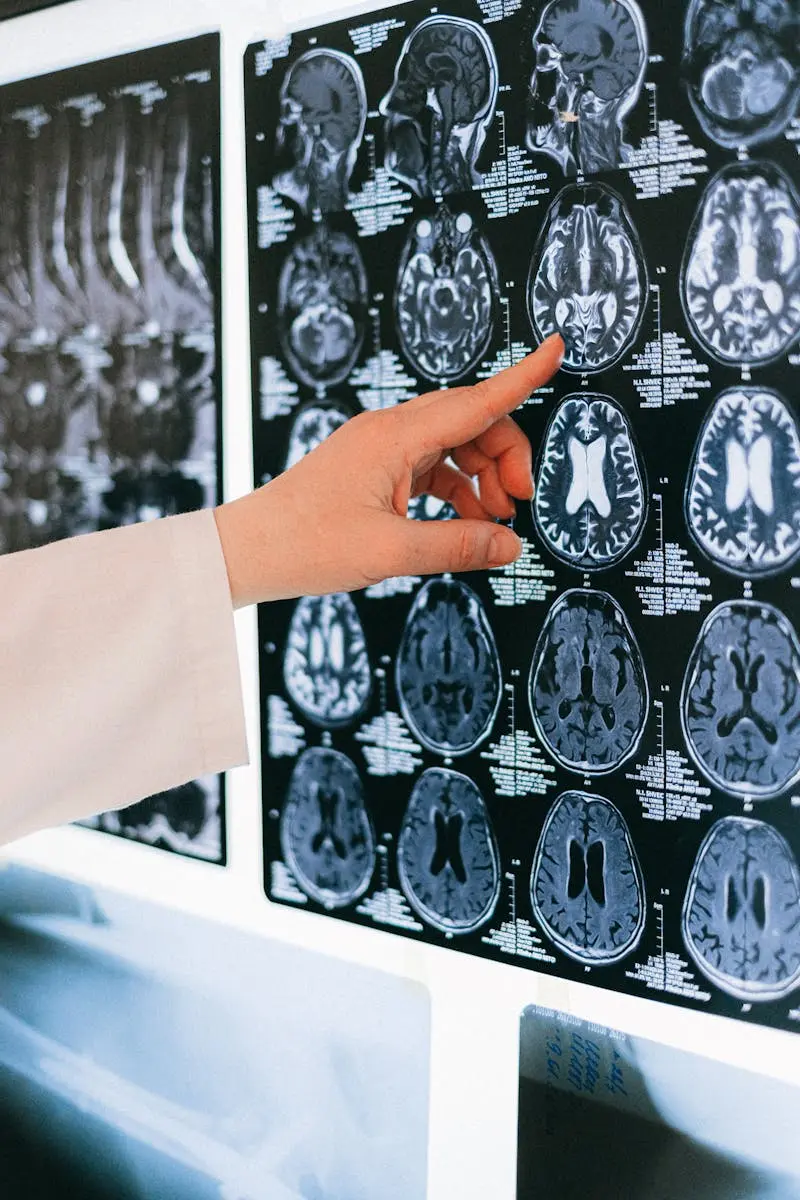
One notable example is the development of patient-specific implants using simulation-driven 3D printing. By combining CT scan data with computational models, manufacturers can create custom-fit devices tailored to an individual’s anatomy. This approach has been particularly impactful in orthopedic surgery, where personalized joint replacements significantly improve patient outcomes. The CT scan data is processed into a 3D model, which is then refined using computational simulations to ensure the implant provides optimal fit, function, and durability. Additionally, the use of biocompatible materials like titanium or cobalt-chromium ensures long-term integration with the patient’s body, reducing the risk of complications such as implant rejection or loosening.
Additionally, engineers use advanced software to model manufacturing processes like injection molding for medical devices. They optimize gate locations, cooling channels, and cycle times to ensure consistent part quality. Engineers also simulate sterilization methods, such as gamma irradiation and ethylene oxide treatments, to verify that these processes eliminate contaminants without degrading material properties. This combination of design and process simulation ensures the reliability and safety of medical devices from development to production.
Future Developments in Manufacturing Simulation
The future of manufacturing simulation is poised to be shaped by breakthroughs in quantum computing and advanced algorithms. While quantum computing promises revolutionary advances, it faces significant technical hurdles. Current quantum systems struggle with decoherence, where quantum bits lose their state due to environmental interactions. This issue, along with the need for near-absolute-zero operating temperatures, limits practical applications.
However, institutions like Oak Ridge National Laboratory are making strides in error correction techniques and quantum-compatible algorithms. Early applications have shown promise in fluid dynamics and molecular modeling, but general-purpose quantum simulation capabilities remain in development.
Classical computing is also advancing simulation capabilities. MIT’s Center for Bits and Atoms has demonstrated multi-scale simulation techniques that break complex problems into smaller, parallel sub-problems. This approach reduces computational demands while maintaining accuracy, enabling more detailed simulations of manufacturing processes.
Additionally, the integration of artificial intelligence (AI) into simulation platforms is opening new possibilities. Machine learning algorithms analyze vast datasets to identify patterns and predict system behavior, enhancing simulation accuracy and efficiency. This combination of AI and traditional physics-based modeling is driving innovations across industries.
Another area of growth is cloud-based simulation, which allows teams across the globe to collaborate on models in real-time. This not only reduces infrastructure costs but also fosters innovation by connecting diverse expertise. The ongoing development of edge computing capabilities will further enhance the responsiveness of these simulations in real-world applications.
Conclusion
From defense systems to medical devices, advanced 3D simulation technologies are transforming the way products are designed, tested, and manufactured. By enabling virtual prototyping and real-time optimization, these tools reduce costs, accelerate development, and enhance performance. As computational power continues to grow and new technologies like quantum computing emerge, the potential for simulation-driven manufacturing will only expand.
For more information on advanced manufacturing solutions, visit PTI Tech and Polmold.